Emergency Care
When an emergency happens, it’s important to have the most advanced, compassionate care as quickly as possible. Our experienced emergency department staff are ready 24/7 to help treat you and your family quickly and efficiently, while never compromising on the highest quality of health care. Call 911 if someone is experiencing life-threatening conditions like a heart attack, stroke, or is unresponsive.
Where should I get treatment?
Whenever an illness or injury occurs, you need to decide how serious it is and where to seek medical treatment. Sometimes you need immediate treatment, other times you may be able to get treated with virtual care or a walk-in clinic.
Why choose us for Emergency Care?
When you’re faced with an urgent health issue, relying on our emergency services ensures you will receive the best care possible from a compassionate and expert health care team.
Emergency department patient journey
We understand that coming to the Emergency Department for the first time can be overwhelming or even scary. You may not know what to expect, and that’s OK. We’ve created this graphic to explain to you and your family what to expect during your visit. Our goal is to keep you informed and supported every step of the way.

What is Emergency Care?
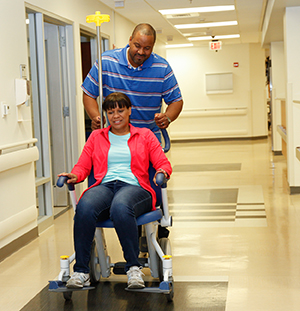
An emergency means you could die if you don’t get care quickly. Or you could be hurt permanently (disabled). Read below to know when to use and not use an emergency room (ER).
Dangers to your life
Here are examples of emergencies. This is not a complete list. These need care right away:
A hard time breathing (shortness of breath)
Severe chest pain or pressure
A fast or pounding heartbeat (palpitations) or fluttering in your heart
Choking
Severe bleeding
Suddenly unable to move or speak
Suddenly not being able to feel an arm or a leg
Blacking out (fainting)`
Poisoning
Coughing or vomiting blood
Severe or lasting vomiting or diarrhea
Severe belly (abdominal) pain
Changes in mental status or confusion, trouble waking up, abnormal behavior
Changes in vision
Sudden onset of the "worst headache of your life"
Suicidal thoughts
Thoughts of harming another person
Dangers of permanent injuries
Here are other emergencies. These also need care right away:
Deep cuts or severe burns
Broken bones, or sudden severe pain and swelling in a joint
When it’s an emergency
If you have an emergency, follow the steps below.
1. Call 911
Call
911 or your police emergency number. Having an ambulance transport you is the best option. Ambulance staff can begin treatment as soon as they arrive.Or go to the ER that's nearest to you.
2. Call your primary care provider after the emergency care
Tell your healthcare provider about the emergency. Call within 24 hours of going to the ER.
Have someone call for you if you can't make the call yourself.
Go to your healthcare provider's office for any follow-up care. Do this , unless you are having symptoms that you have been told are an emergency and should be treated in the ER.
When it’s not an emergency
If a problem is not an emergency, follow these steps:
1. Call your primary care provider
Call your health insurance plan if you don’t know the name of your healthcare provider.
Have someone call for you if you can't call.
Visit an urgent care center or walk-in clinic if you don't have a primary care provider.
2. Follow instructions
Your healthcare provider will tell you what you should do.
You may be told to see your healthcare provider right away. You may be told to go to the ER. Or you may be told to go to an urgent care center.
Follow your healthcare provider’s advice.
Locations near you.
Emergency Care News & Resources
Patient Story
Chenitra Emergency Care
Article
Chenitra Emergency Care
Article
Two EMS Experts Weigh in on Why it’s Important to Call 911 Immediately in the Case of Stroke
Article
Virtual Care, Convenient Care, or Emergency Care: How to Choose the Right One
Article
What to Do When a Visitor Needs Medical Care Away From Home
Article